
What Is Roof Ventilation and Why Does It Matter?
Ventilation is an often-overlooked aspect of roof maintenance, but it shouldn’t be, as it allows your attic to breathe and enables your home to function efficiently. Neglecting roof ventilation can lead to high energy bills, mold growth, and roof damage. Here, we’ll discuss the benefits of roof ventilation, why it matters, and how homeowners should maintain it for year-round protection.
In this post, we’ll answer the top 4 roof ventilation questions:
Roof Ventilation Helps Homes Breathe and Last Longer
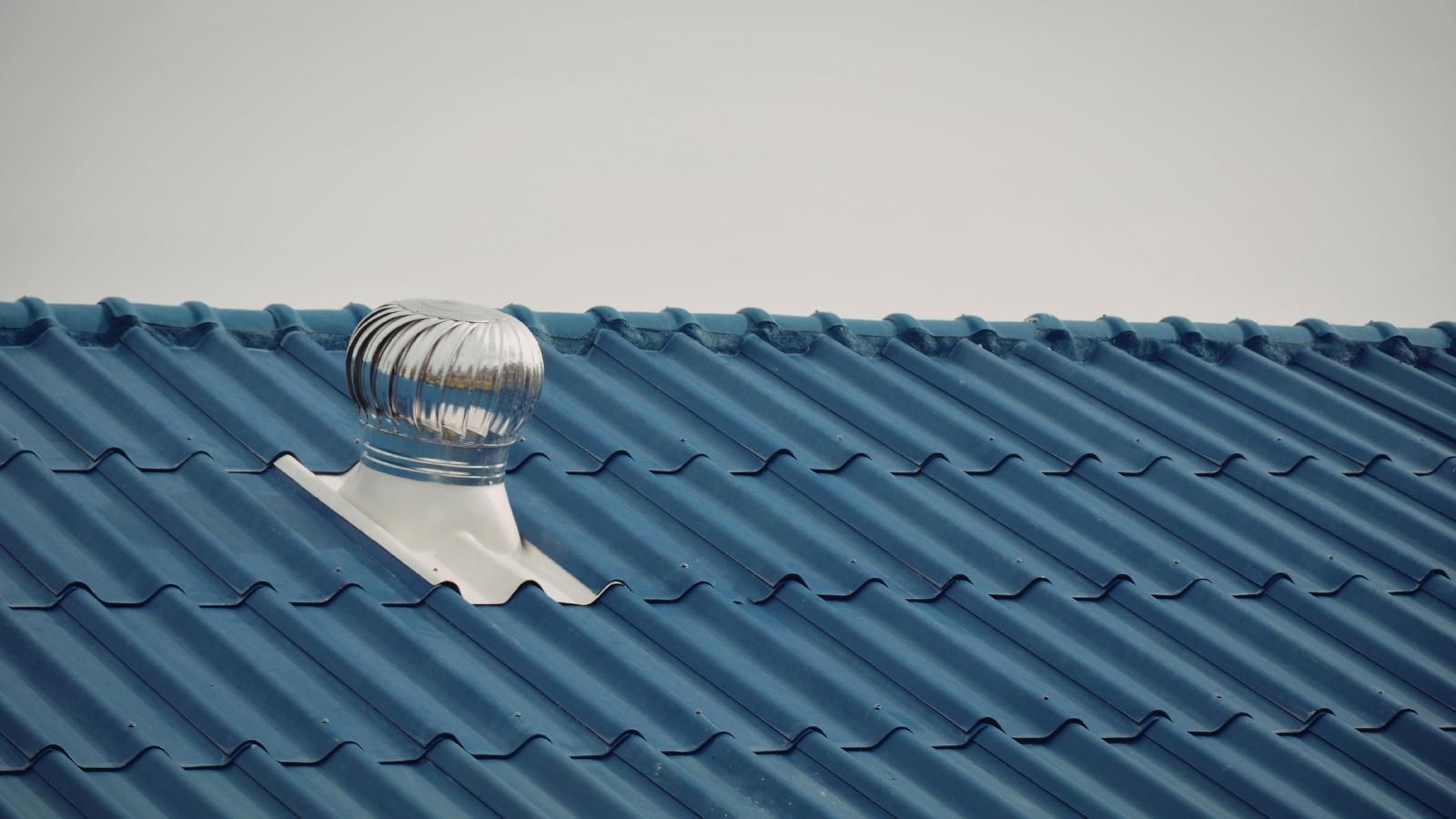
Even your home needs fresh air to be healthy and strong. Roof ventilation prevents heat and moisture buildup by replacing stale, warm air with fresh air. Consistent air circulation extends the life of your roof, reduces energy bills, and prevents mold growth, mildew, and wood rot. Vents on the roof are needed in every home, regardless of climate type, throughout the year.
How Roof Vents Work
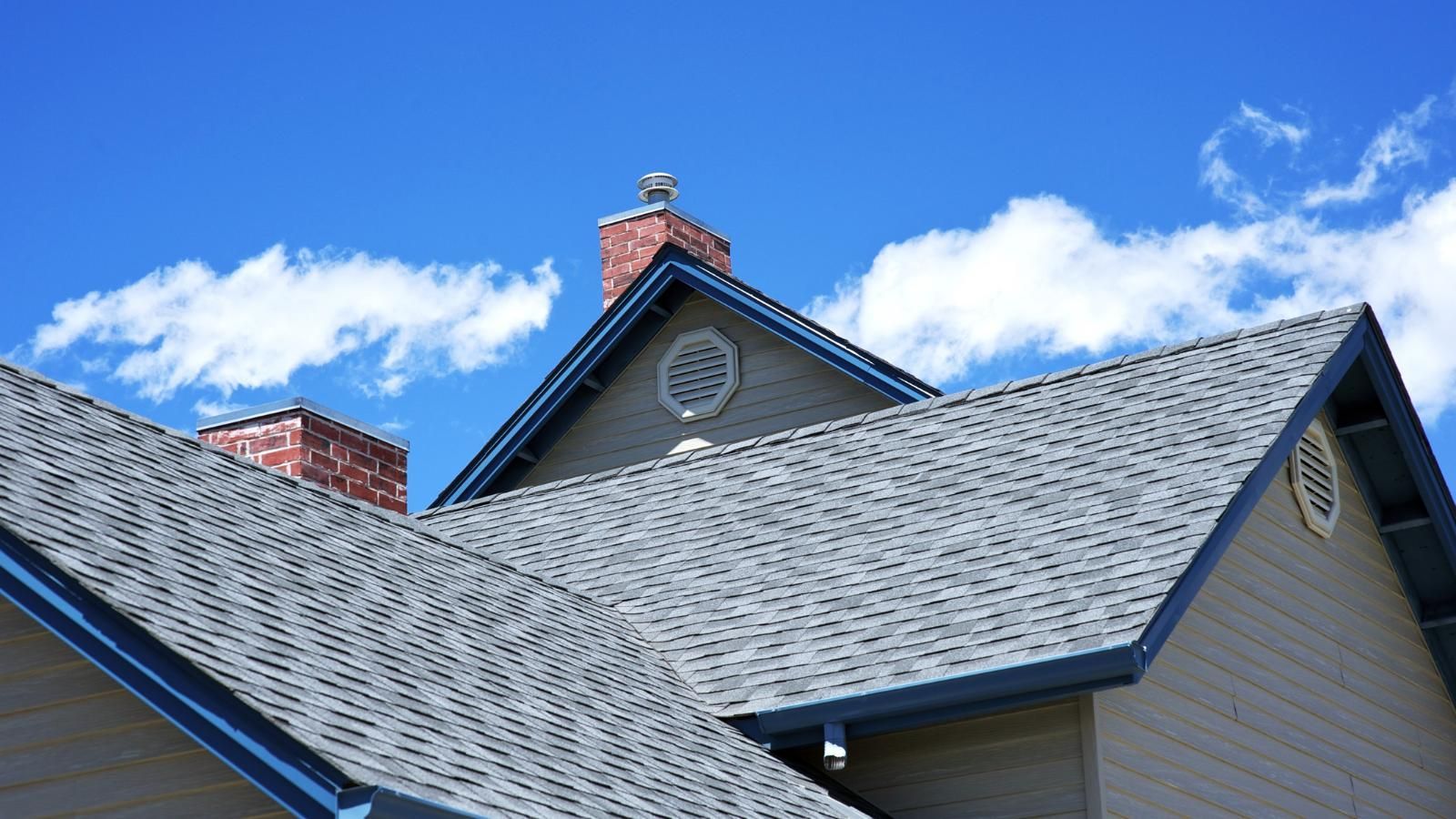
Roof ventilation operates on the simple, yet powerful principle that warm air rises. As the warm air rises, cool air is drawn through vents located on the roof, positioned under the eaves. The warm, moist air is pushed out through the exhaust vents on the roof’s peak. The most common intake vents are soffit vents. Ridge vents, gable vents, and box vents are types of exhaust vents. Intake and exhaust vents work together to circulate air throughout the attic. To function optimally, a balanced ratio of intake to exhaust must be maintained, making proper installation essential. If the balance is off, the air does not circulate properly, and moisture can build up inside your roof. Correct installations will protect your roof throughout the year.
Benefits of Roof Ventilation
As important as clean, fresh, dry air is for your attic, the benefits of roof ventilation go farther than you might realize. In the summer, your attic will be cooler, the energy efficiency of your air conditioner is enhanced, and energy bills will be reduced. In winter, roof ventilation prevents condensation buildup, which causes mold and wood rot. Adding roof vents controls both the temperature and moisture levels in your attic and will prolong the life of your roofing materials and insulation. Roof-top venting is a preventive upgrade that adds comfort and value to your home throughout the seasons.
What Happens Without Roof Ventilation
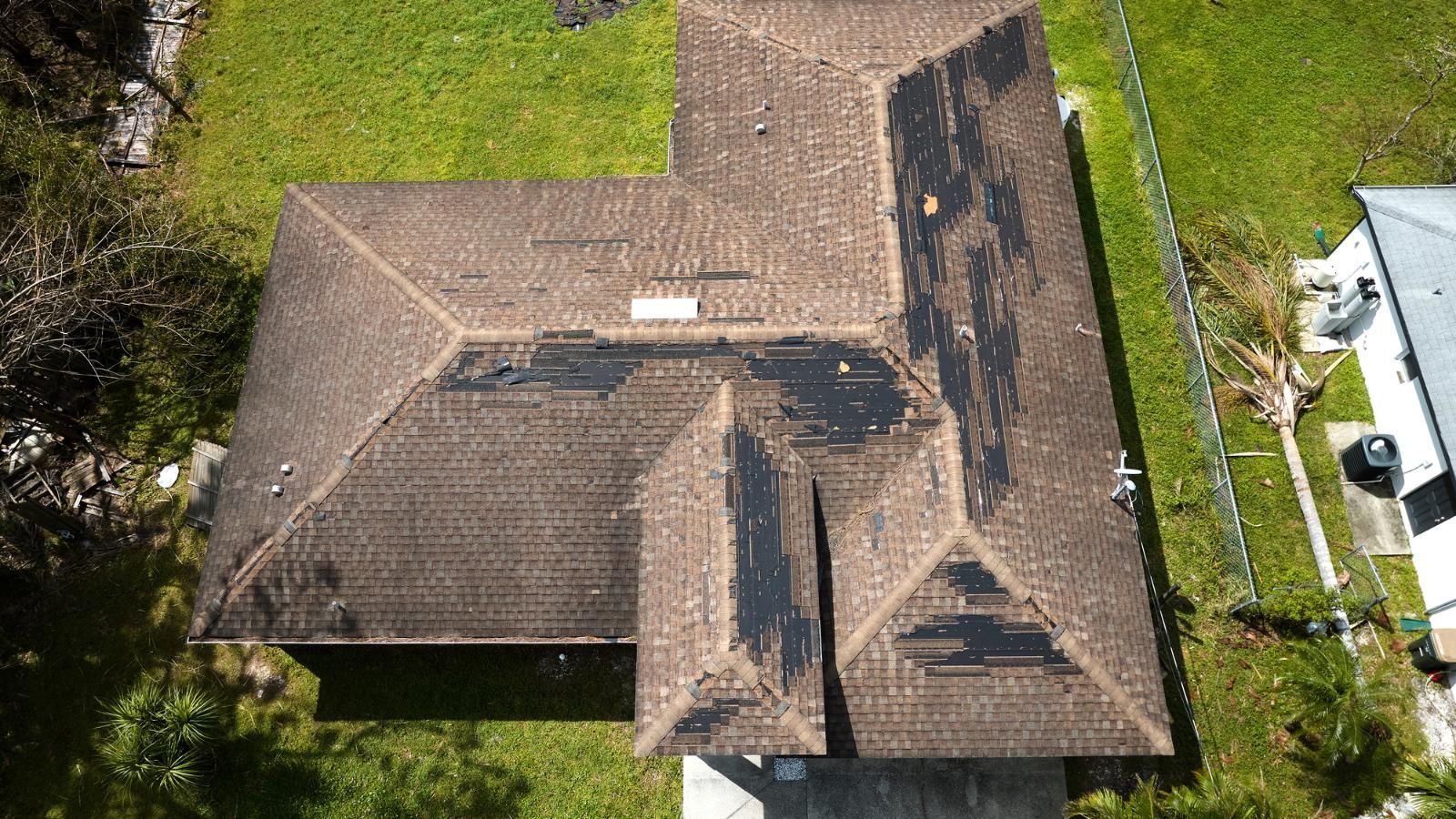
Your home is susceptible to damage without proper roof ventilation. During warm weather, trapped warm attic air could warp your roof deck, causing shingles to wear out prematurely. During winter, warm trapped air can lead to ice dams that can cause roof leaks. Warm, moist air is a breeding ground for mold growth, wood rot, and rusted nails that will weaken the structure of your roof’s frame. Sadly, this structural weakening is often not noticed until damage has occurred.
The signs of poor roof ventilation are:
- Musty odors
- Stuffy Air
- Extra High Attic Temperatures
- Uneven Shingles
Your home may be at risk if you notice the above signs of poor roof ventilation.
Are Roof Vents Necessary in All Homes?
Absolutely, roof vents are necessary for all homes. For those living in cold climates,
ventilation prevents ice dams and keeps condensation from settling in the insulation. If your home is in a hot, arid region, ventilation is essential for releasing trapped hot air that can damage your shingles and cause your air conditioner to work harder when not allowed to escape. Regardless of your location, climate, or roof type, proper ventilation is necessary for every home.
Protect Your Roof with Proper Ventilation
Proper roof ventilation is essential for energy efficiency, preventing moisture-related damage, and maintaining the structural integrity of your roof. Ventilation protects your home from extreme heat, freezing temperatures, and seasonal humidity.
Has it been a while since your roof’s ventilation system was checked? This is the perfect time to have your attic’s air flow checked. If you’re in the Lee's Summit area and beyond, contact
Preferred Roofing for a free ventilation assessment- and ensure your home is breathing the way it should.