
How to Tell If Your Roof Has Hail Damage: Signs to Spot.
Even a single strong spring hailstorm in the Midwest can necessitate hail damage repairs. Homeowners frequently overlook damage to roof shingles until the problems become severe. Spotting hail damage early helps address issues before they turn into costly repairs.
This post reveals what hail damage looks like on different roof types. The signs of hail damage to roof shingles will look different than those on metal panels or tile roofs. We’ll disclose the visual signs of hail damage to the roof areas that may need professional attention.
In This Post We’ll Cover:
Hail Damage Leaves Different Clues Depending on Your Roof Type
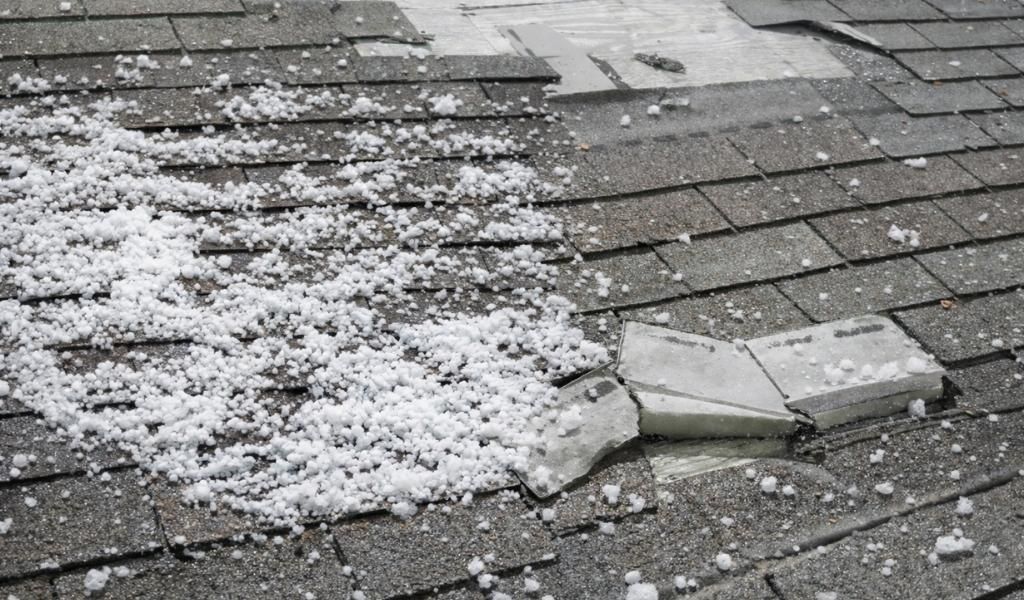
Hail affects different kinds of roofing materials differently. Asphalt shingles will look bruised and lose granules, metal roofs will get dented, tile roofs can crack or chip, and flat roofing systems can develop hidden membrane damage. Each roofing material type responds differently to hailstorm damage.
If minor hail damage is overlooked, roofing materials can deteriorate, leading to structural damage. Many damaged spots can be detected visually by homeowners, but the best way to confirm hail damage is to consult roofing experts, who will properly assess the damage and implement the repairs.
Signs of Hail Damage on Asphalt Shingles
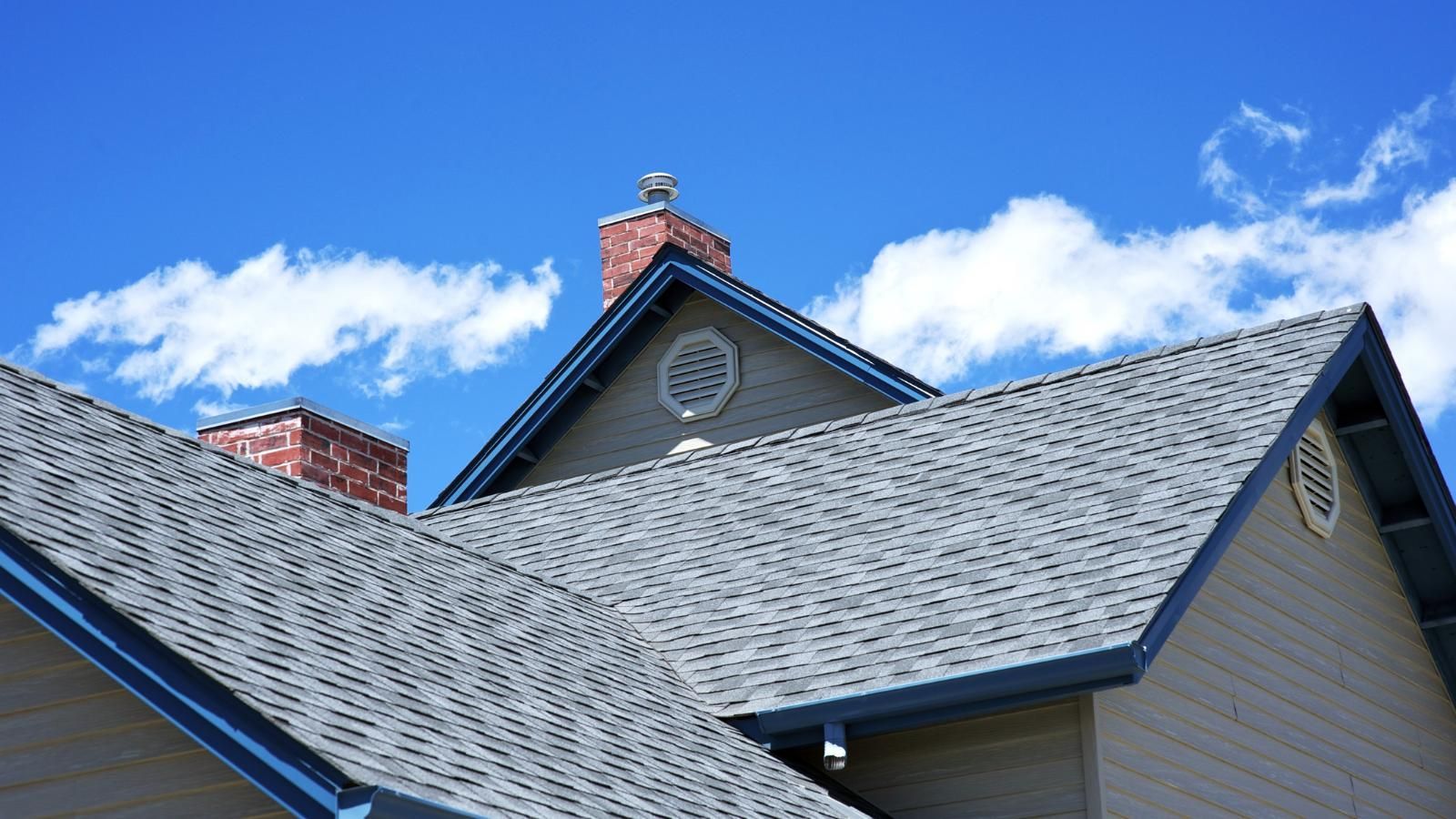
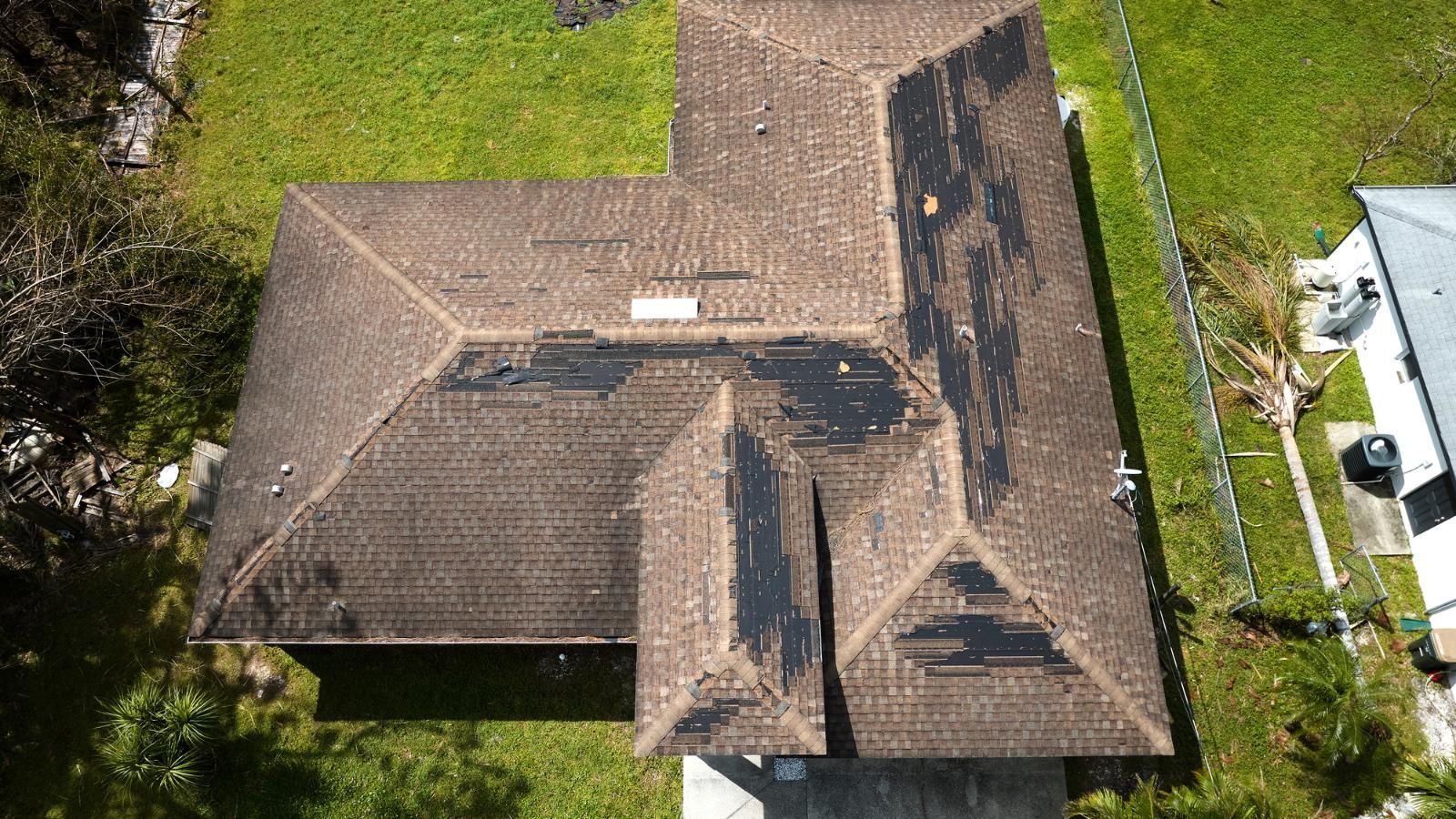
Hail damage to asphalt shingles looks like bruising, granule loss, or round dents on the roof surface. All of the above will weaken your roof’s protective layer and shorten its lifespan.
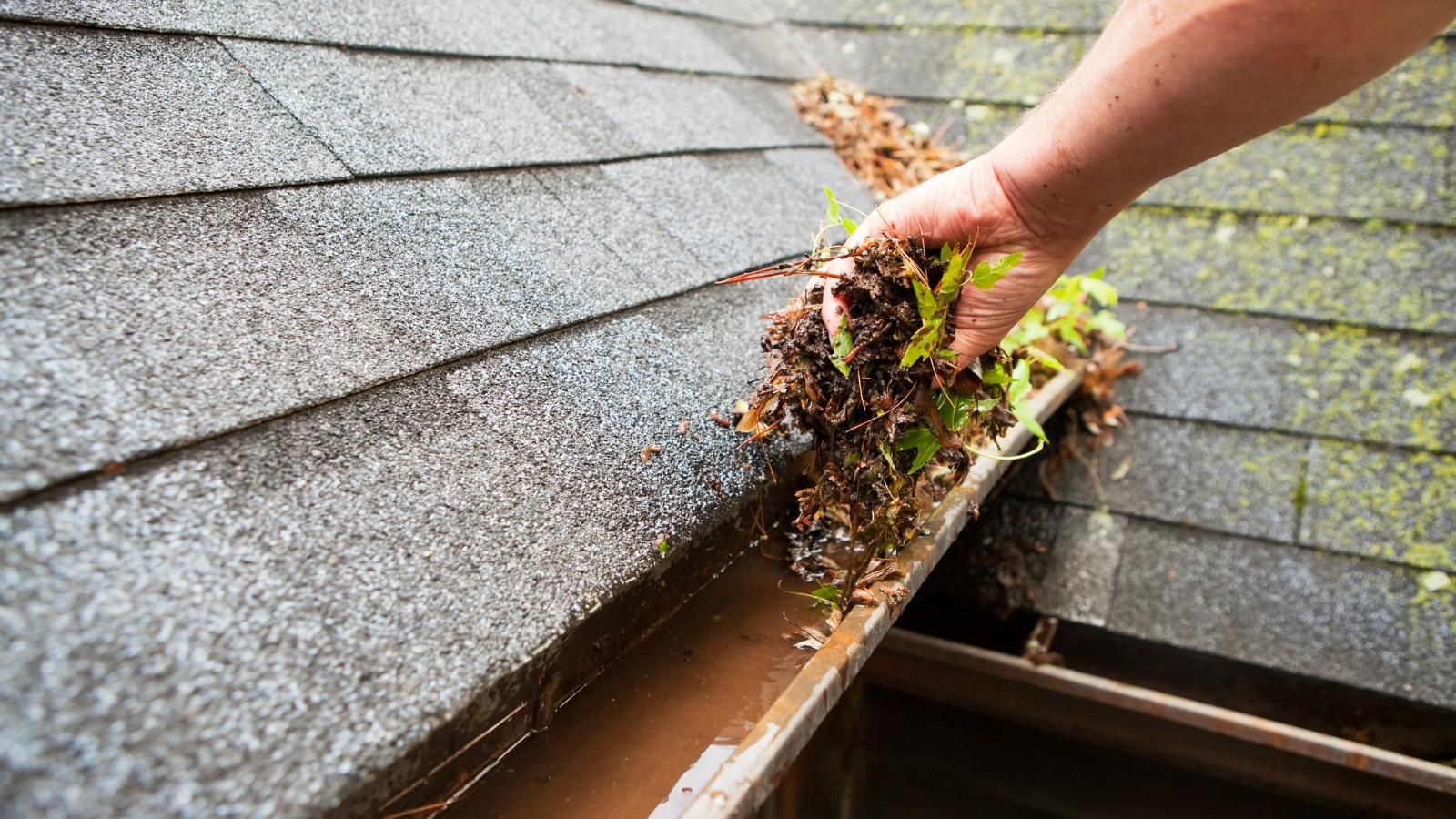
You won’t always notice hail damage to roof shingles from the ground. If you discover granules in the downspouts, a closer look is warranted. Only climb onto the roof when conditions are safe. Better yet, skip the risky business and
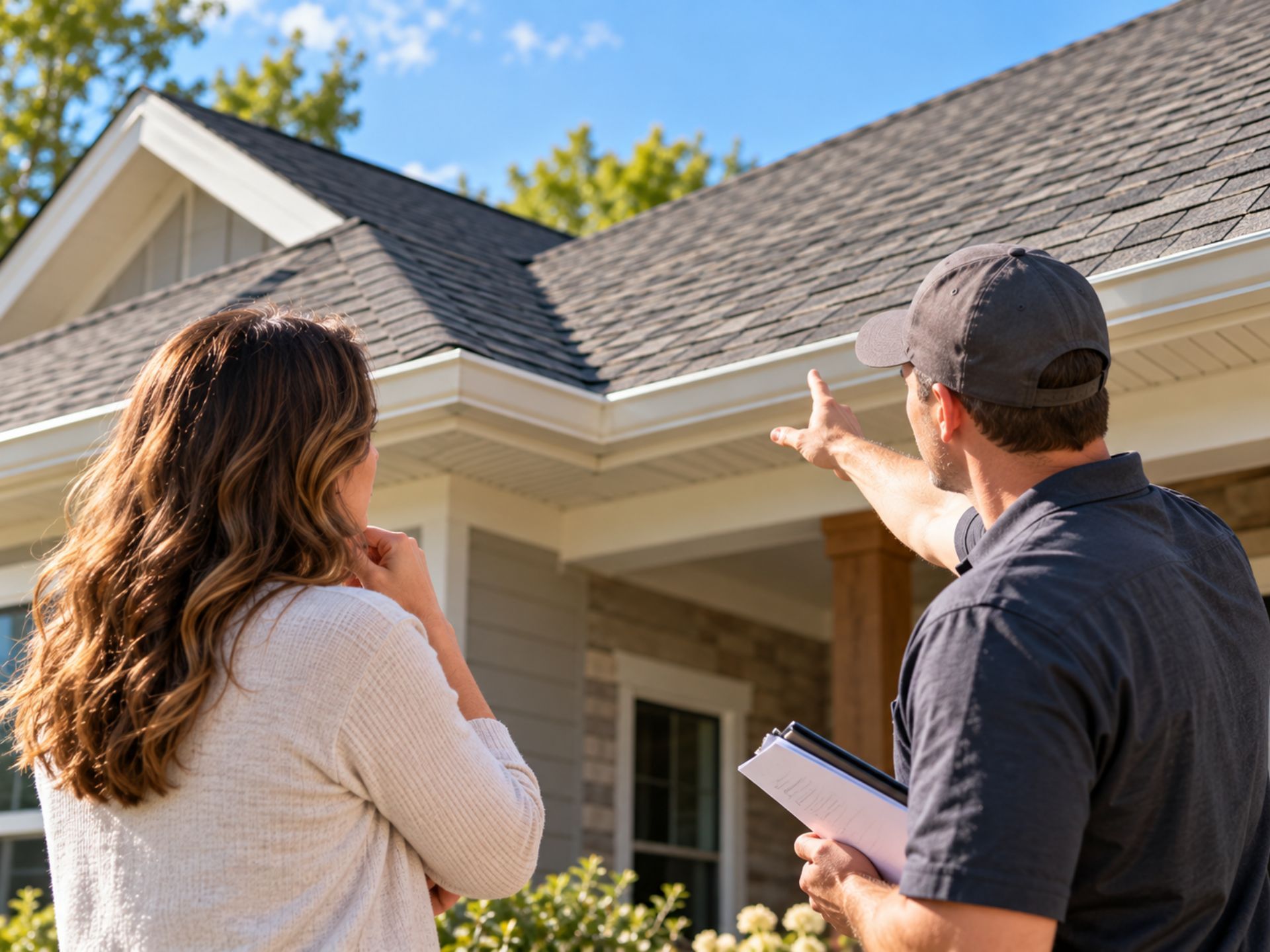
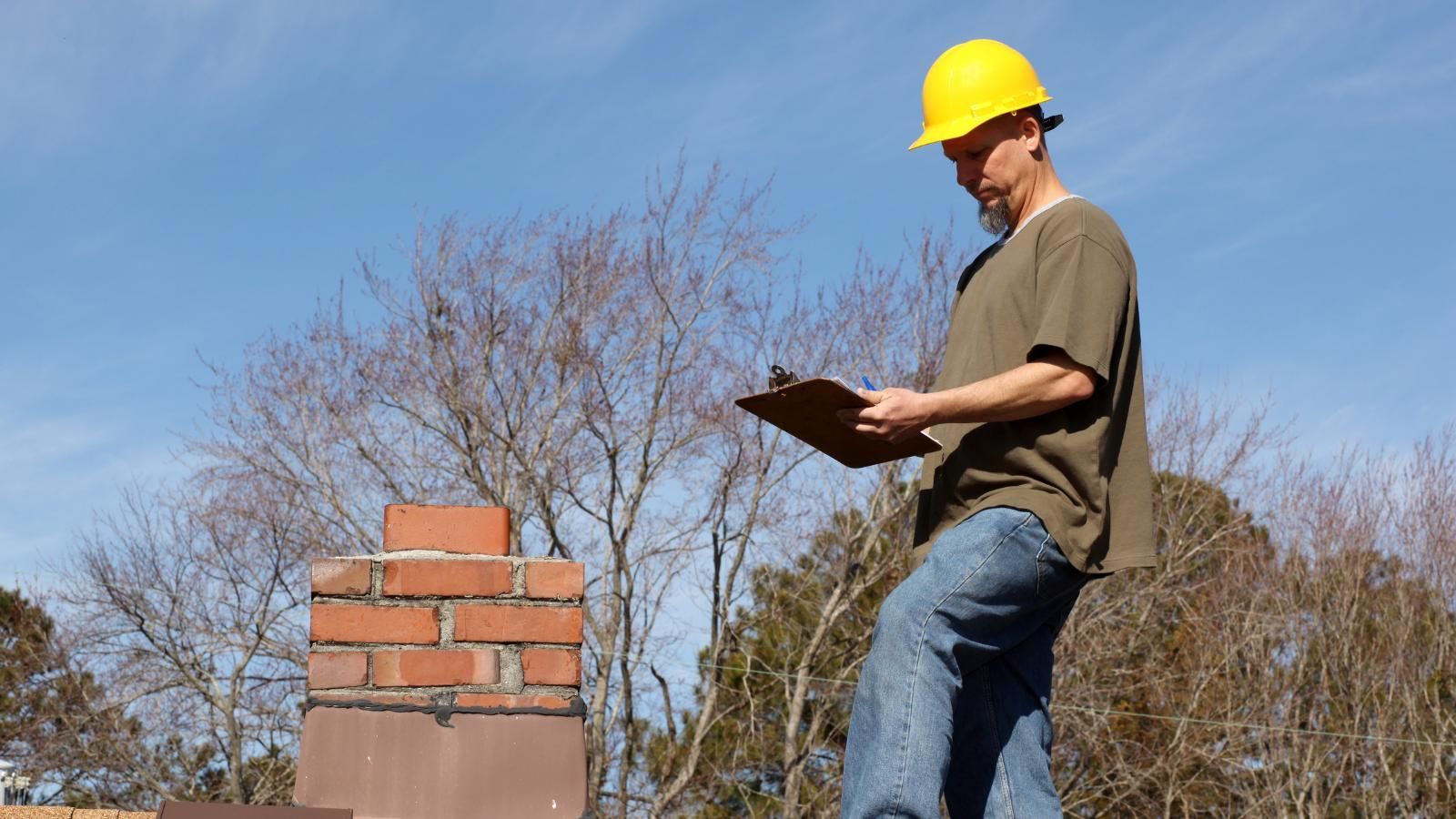
schedule a certified professional inspection. The experts are experienced, insured, trained, and will spot damage homeowners often miss. The pros will properly assess when hail damage repair is necessary.
What Hail Damage Looks Like on Metal Roofs
Hailstorm damage to metal roofs appears as dings, dents, or chipped paint on the metal panels.
Some of those dings, dents, and chipped paint could only be aesthetic issues. At other times, large impacts can damage protective coatings or compromise seams and fasteners. Hail damage to roof panels leads to corrosion and leaks later on. To be on the safe side, schedule a professional inspection to determine if hail damage repairs are needed for your metal roof.
Hail Impact on Tile and Flat Roofs
Cracked, chipped, or displaced tiles are evidence of hail storm damage to tile roofs. These types of damage allow water to seep beneath the underlayment.
Hail damage to flat roofs includes membrane punctures, surface bruising, and pooling water. A flat roof with hail damage should always be inspected by a professional, as the damage is tricky to spot.
What Does Roof Hail Damage Look Like After a Storm?
Depending on your roofing material, hail damage to rooftops appears as dents, cracks, bruising, or missing protective layers. Hail damage to shingles on asphalt roofs appears as dark spots or granule loss. Metal roofs will show dings, tile roofs can crack or become displaced, while flat roofs present visible and invisible signs of pooling water and membrane punctures. Do not ignore these common signs of hail damage on roof surfaces.
Here’s a Post-Storm Roof Inspection Checklist:
- Dents on gutters, flashing, or roof vents
- Granules found in gutters or downspouts
- Dark or soft spots on hail damage to shingles
- Dings or chipped coating on the metal panel roofing
- Broken tiles found around the home
- Water stains in the attic or ceilings
When you know how to spot hail damage on roofs and make repairs as soon as possible, you will prevent expensive repairs in the future.
Know the Signs—Then Call a Roofing Expert for a Full Inspection
Our Midwestern rooftops are often exposed to hailstorm damage, especially in the spring. When you know and watch for the signs of hail damage and make timely repairs, you’ll be protecting your home and pocketbook.
When hail storm damage to your roof is suspected, it’s best to get a professional assessment. Preferred Roofing KC offers free roof inspections to help homeowners determine if hail-damage repairs are needed.
If you’ve recently experienced a hailstorm in the Grandview area, contact
Preferred Roofing KC today for a no-obligation roof inspection.