
Roof Inspection After Hail: Don’t Skip This Step
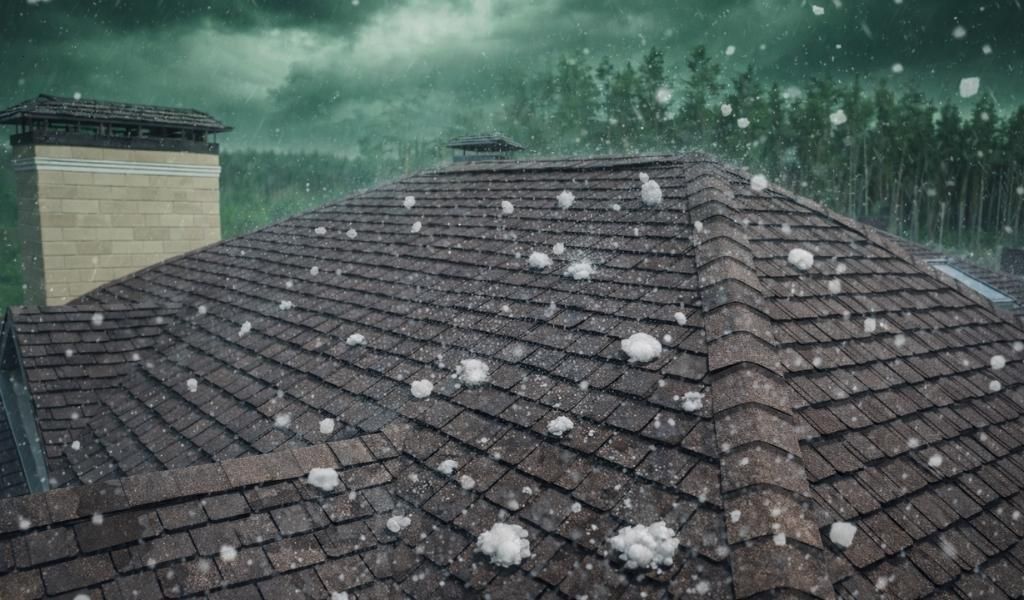
If your roof needed hail damage repairs, do you think you could tell just by looking up from your yard? The storm is coming, the weatherman said hail is on the way. The idea of hail on roof shingles makes every homeowner cringe. Visible dents can be one clue of hidden hail and roof damage. Frequently, homeowners aren’t even aware of the damage because the majority of it is unseen from the ground. Hail damage causes subtle fractures and cracks beneath the shingles. It’s not the golf or baseball-sized hail that tricks you. It's the repeated pounding of smaller hail from multiple storms.
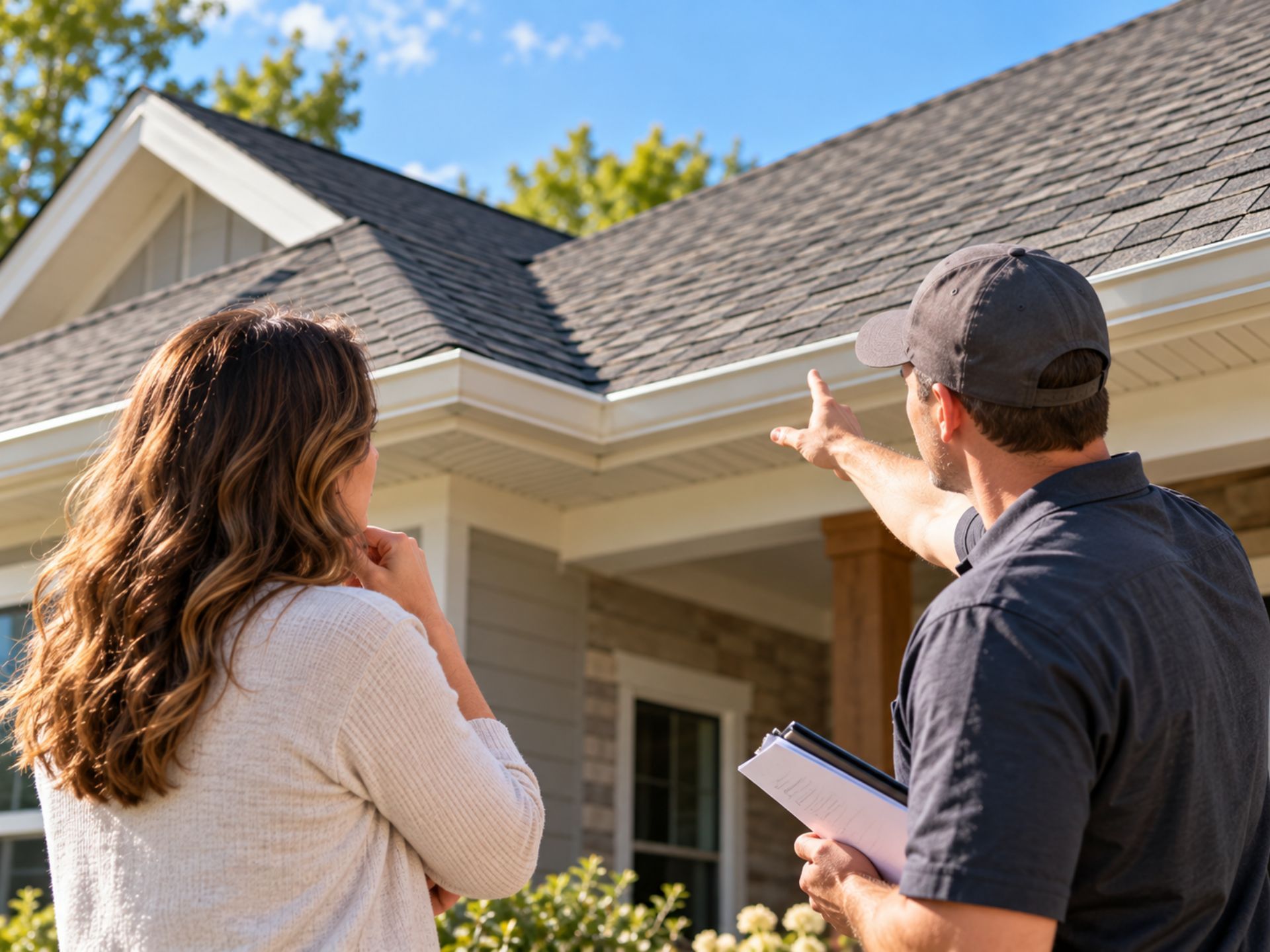
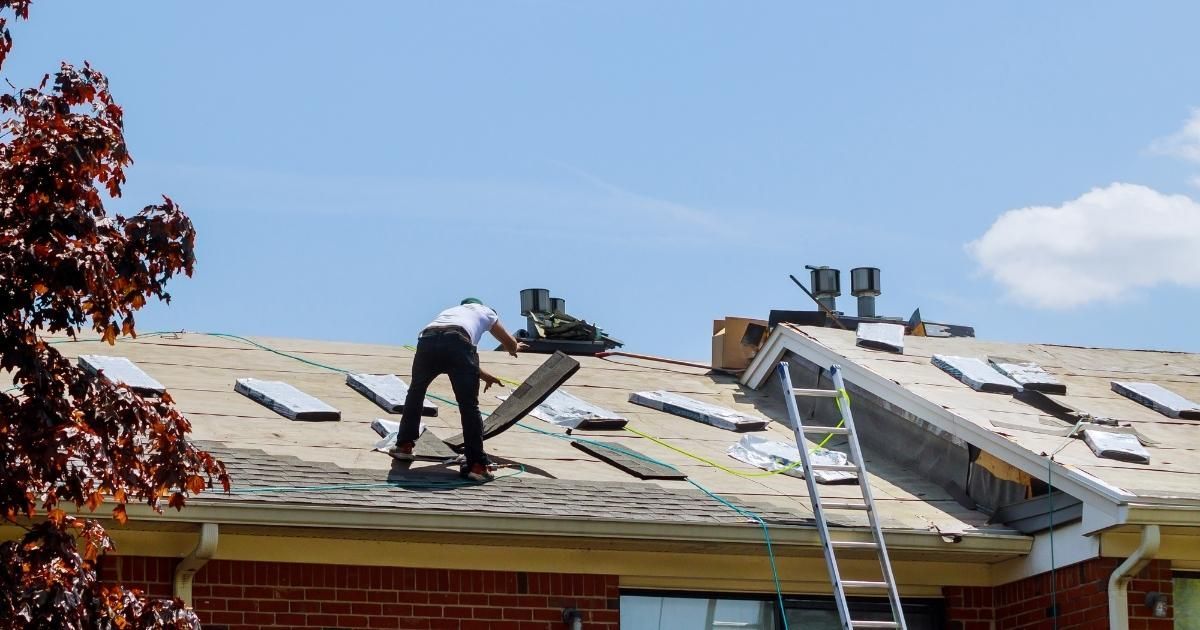
After a hailstorm has passed, it’s important to learn how to identify hail damage on a roof. Safely inspect your home from the ground level. Check gutters, siding, window trim, AC units, deck surfaces, and other exterior items for visible signs of hail damage. Homeowners should never climb onto the roof unless trained. The wisest direction is to have a professional inspection completed to confirm whether the roof has functional hail damage. Then schedule repairs soon before small issues lead to leaks or insurance delays.
Table of contents: In this post we will cover…
- How Exterior Clues Can Expose the Impact of Hail
- What Roofers Look for When Completing an Inspection
- The Diverse Effects of Hail Damage on Different Types of Roofs
- Is There Still Damage Even if Your Roof Isn’t Leaking?
A Roof Inspection After Hail Helps Confirm Damage You Can’t See From the Ground

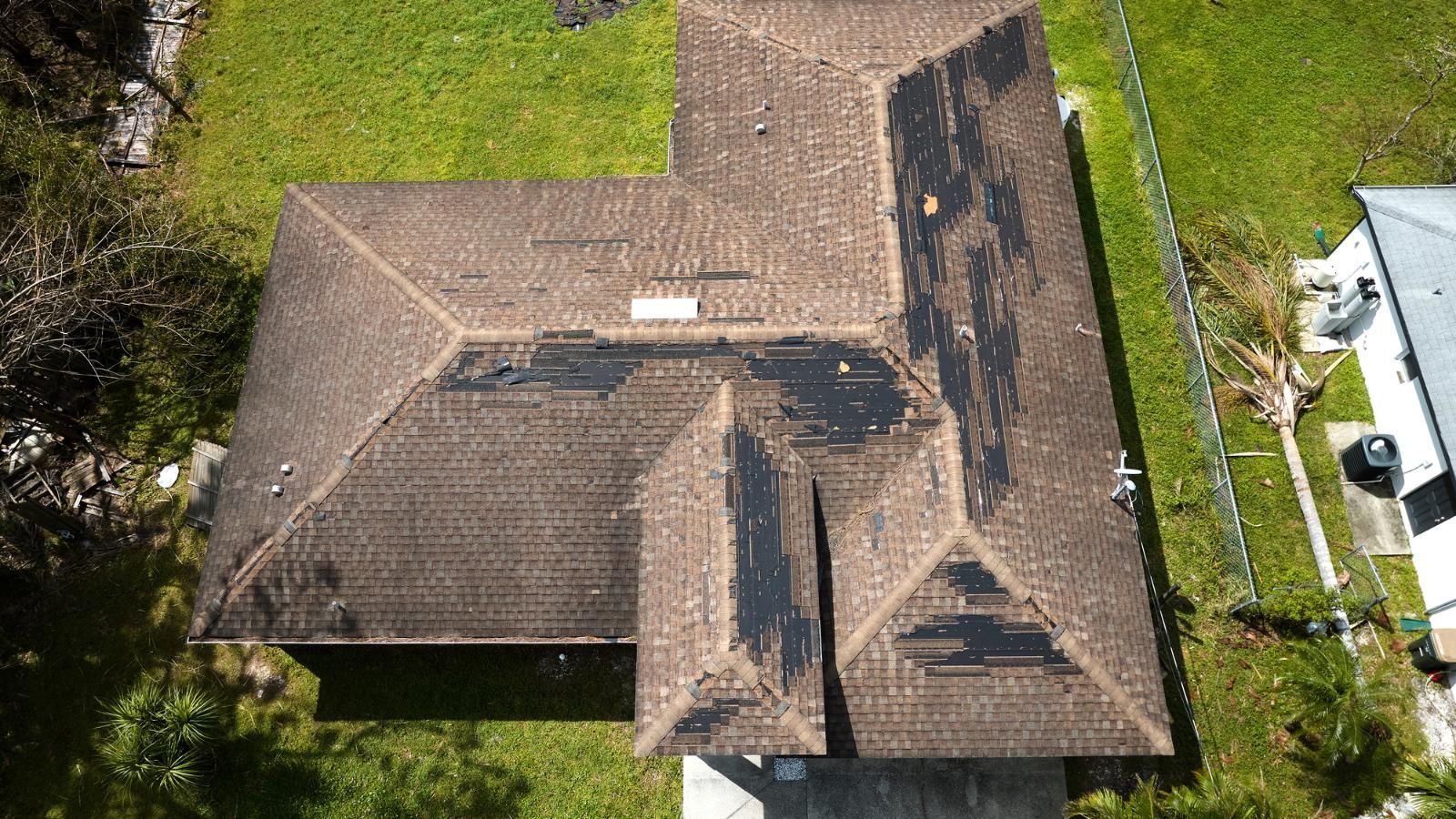
Hail will always leave behind a trail of damage. The question is, how to identify roof hail damage and what is the extent of that damage. Having your roof inspected after hail is critical because hail and roof damage is not always visible from the driveway or yard. There may be clear signs from the ground level like dents, cracks, or scratches on gutters, siding, window trim, downspouts, fascia, AC units, decks, and any painted surfaces. But it’s the hidden damage that can worsen over time, leading to larger problems such as leaks, wood rot, mold, or even structural damage.
Even if you don’t see any visible damage, it’s important to have trained eyes examine your roof to ensure there isn’t any underlying damage. Preferred Roofing meticulously inspects storm-damaged roofs, gutters, and siding in Lee’s Summit and helps homeowners understand the next steps toward restoring their roof to pre-storm condition.
Start With Gutters, Siding, and Outdoor Items Before Looking at the Roof
Visible hail damage can point to hail impact. It’s important to thoroughly and safely check several areas of your home and property from ground level. Inspect gutters, gutter screens, downspouts, siding, window casings, metal fascia, AC units, decks, patio covers, and other outbuildings. Exterior damage in and of itself does not prove roof damage. But they do give homeowners solid grounds for scheduling a professional inspection. Be sure to record dates and take photographs of any damage you identify. This will help when
talking with your local roofer or the insurance company.
On Shingles, Inspectors Look for Granule Loss, Bruising, and Repeated Hits
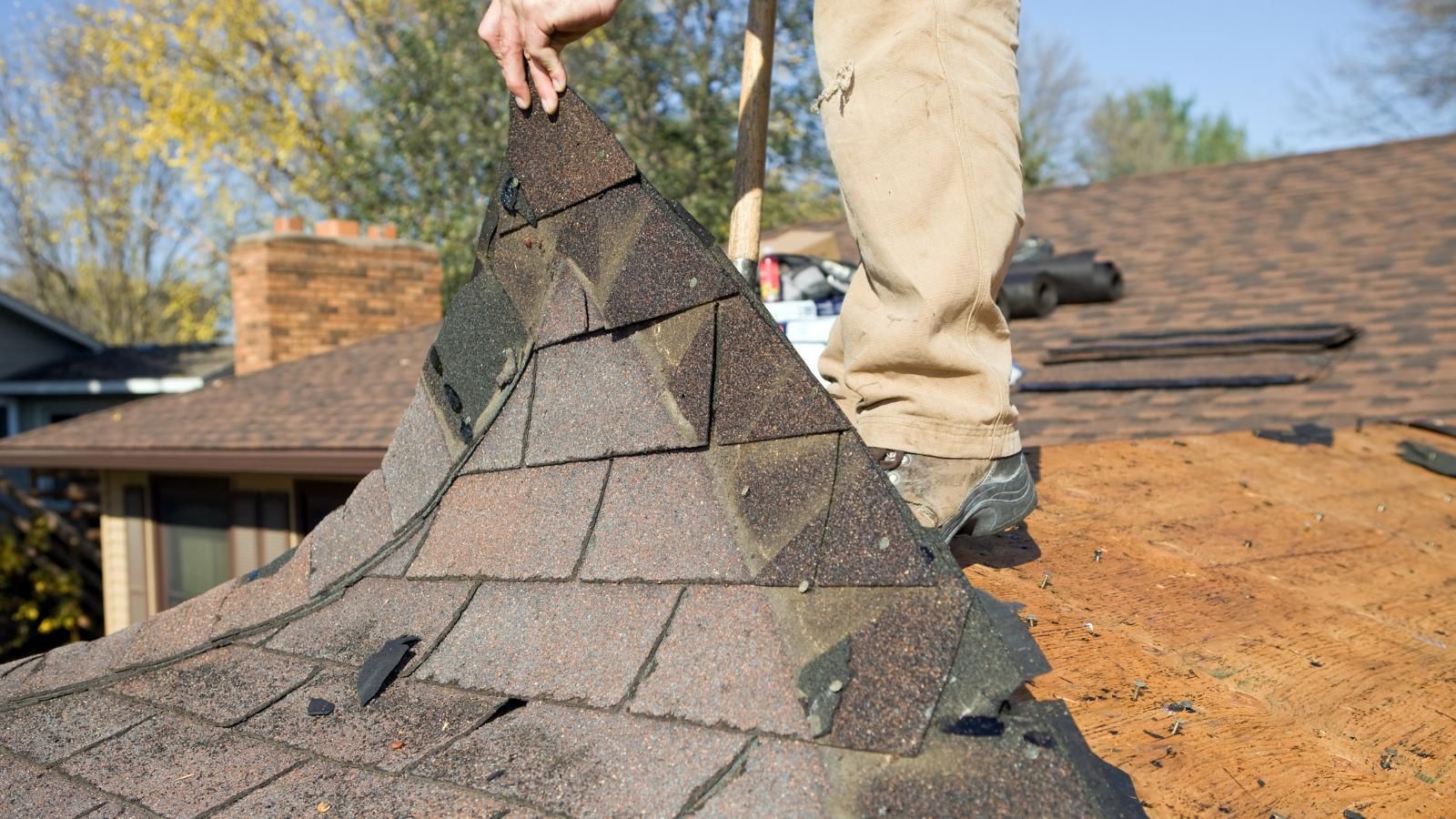
Identifying signs of hail and roof damage on shingles can be a little trickier. Some signs a roof inspector will look for include:
- Loose or Missing Granules
- Dented Granules
- Dark Spots
- Soft Bruising
- Punctures
- Tears
- Fractures
You might think “a few lost granules, no biggie, at least there’s no hole.”
When granules are lost, the integrity of your shingles has already been compromised. Lost granules expose asphalt which weakens the shingle, leading to faster deterioration or future leaks. Lifespan and exposure also have a direct effect on the depth of the damage as well. And while insurance company requirements vary by policy and carrier, they generally look for 8 or more hits within a 10 ft. by 10 ft. square area on at least 4 sides of the roof. Don’t let the look of minimal damage fool you. An experienced roof inspector will root out the truth.
Metal Roof Damage and Hail Spatter Can Tell Different Stories
While moderate to severe hail damage is highly visible on metal roofs and can be easier to see than bruising on shingles, minor damage can be a bit harder to identify. Look for exposed metal, scuffs, chipped paint, or fractured seams. Minor damage can be seen better when the sun is lower and is able to cast shadows. Softer, slush-like hail on metal roofing causes hail spatter, a temporary discoloration from blasting off layers of grime. Spatter adds to the evidence of potential hail damage, but may not necessarily lead to claimable roof damage.
Can Hail Damage a Roof Even If There Are No Leaks?
Absolutely it can. Even if there are
no immediate leaks in your roof, hail can compromise roofing materials and cause structural damage. Time and weather exposure weaken shingles. Hail can lead to exposed asphalt and cracked materials. Small dents or cracks in metal roofs can cause deterioration. And over time, minor damage can lead to leaks in your home. Don’t wait for ceiling stains or active leaks to sneak up on you. Safeguard your home by scheduling a professional inspection soon after a hailstorm hits.
Schedule a Hail Damage Roof Inspection in Lee’s Summit
Preferred Roofing & Seamless Guttering are the trusted roof experts in Lee’s Summit and the surrounding areas including Downtown Lee’s Summit, Lakewood, Raintree Lake, Longview, and Summit Woods. Our skilled roof inspectors have extensive experience for how to inspect a roof for hail damage. If your roof has been through a hail storm, even if it’s been awhile, call and schedule a roof inspection today!