

How to Open Gutter Guards Without Damaging Them
Debris has built up and it's time to clean your gutters, but your
LeafX gutter guard
or other gutter protection system has got you stumped. Homeowners are sometimes unsure how the system comes apart and they want to be sure to remove them without causing any damage.
Understanding how to remove gutter guards properly can help protect reusable guard sections, the roof edge, fascia, and gutters. This guide explains how to access and clean beneath gutter guards and how to recognize when professional help may be necessary.
In this post, we will cover:
•
Opening snap-in and screw-fastened covers without bending them
•
Removing mesh-style guards carefully for cleaning
•
Sliding curved guards free without forcing the roof edge
•
Lifting out brush and foam inserts
•
Whether cold weather changes when gutter guards should be removed
Identify the Gutter Guard Type Before You Try to Open It
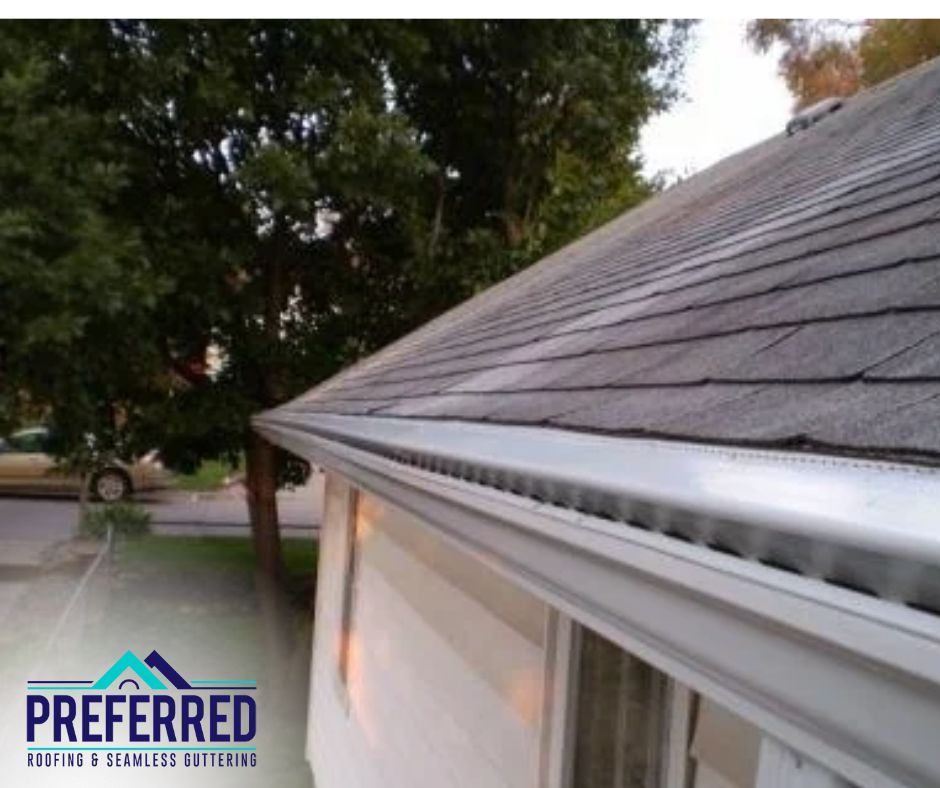
Knowing how to remove gutter guards for cleaning starts with identifying the type of gutter guards installed on your home. This helps to prevent avoidable damage. Some guards are secured with screws, others snap into place, and certain styles simply lift out. Each system requires a different approach to avoid damaging the guards or surrounding gutters. The basic process for most systems begins with clearing away loose surface debris first, next releasing your system accordingly, then lowering it carefully to avoid bending or dropping your guard.
How to Open Perforated Gutter Guards
Perforated gutter guards may be snapped into place or secured with screws. First, inspect the attachment points before attempting removal. Start by brushing away loose leaves and debris from the surface. If screws are present, carefully loosen and remove them. For snap-in guards, use a screwdriver to gently release the edges without forcing them apart. During gutter guard removal, work on one section at a time, carefully lowering each piece to prevent bending or damaging the guards and surrounding gutters. Taking your time to control handling rather than using force helps keep reusable sections in good condition.
How to Remove Metal Mesh Gutter Guards
Metal mesh gutter guards are also secured with either screws or snap-in mechanisms, so you’ll need to inspect attachment points as well with this type. Clear the outside area of surface debris before removing them. Remove the screws or carefully pry out the sections, then lower the section, being careful to not twist or damage them. Understanding how to remove gutter guards properly will help prevent unnecessary damage and keep your reusable sections in good working order.
How to Remove Reverse-Curve Gutter Guards
Reverse-curve gutter guards may be secured with screws or clips. They may also need to slide out from under the roofline or away from the fascia once the fasteners are removed.
Before removing gutter guards, brush away loose leaves and debris from the surface, then locate and carefully remove the screws or clips. Carefully slide each section out from beneath the roofline or away from the fascia. Once released, carefully lower the section to the ground without bending it. Never yank or force a guard that resists removal, as this could damage the gutter, roofing materials, or reusable sections.
Brush and Foam Gutter Guards Usually Lift Out
Brush and foam gutter guards are generally easier to remove because they typically aren't secured with screws or fasteners. For brush guards, pick out leaves and debris caught in the bristles before lifting each section from the gutter. Foam inserts can be brushed clean and carefully lifted out of the gutter. This type of guard means you avoid the screw-removal steps used for other guard styles.
For all types of gutter guards being removed,
• Always place drop cloths below the working area
• Scoop out all debris and drop it onto drop cloths
• Thoroughly rinse the gutters with a hose
• Once cleaned, reinstall usable guards, replacing any damaged sections
Should You Remove Gutter Guards in Winter?
You don't necessarily need to routinely remove gutter guards in winter. For this guide, the focus is on removing gutter guards specifically for cleaning and maintenance. Rather than removing guards every season, check for trapped debris, visible damage, or water that isn't draining correctly. Clean your gutter guards as needed but routine removal every winter isn’t generally necessary.
In Lee's Summit, falling leaves, freezing temperatures, and winter storms
can interfere with drainage leading to the need for cleaning. But regular inspections and maintenance can help keep your gutters working properly and make it easier for you to access them when they need cleaning.
Protect the Gutter System While You Clean or Replace the Guards
Protecting your gutters during cleaning is just as important as removing the debris. Always work from a stable ladder on level ground, and avoid pulling or forcing guards that won't release easily. If the setup feels unsafe or a section won't come loose, it's best to leave the work to a professional. If your existing guards are bent, damaged, or no longer performing properly and ready for replacement, LeafX Gutter Covers may be worth considering for professional gutter protection.
Preferred Roofing & Seamless Guttering
proudly serves homeowners throughout Lee's Summit, including the Lakewood, Raintree Lake, and Winterset neighborhoods. Whether your gutter guards need attention or you're considering an upgrade, our experienced team can evaluate your system and explain your options. Contact us today to request a free estimate and learn what makes the best sense for your home.